Diamond Education
Where to start: decide in this order
Most people begin with carat and colour because those are the numbers on the price tag. We suggest the opposite. Decide the things you will see every day first, then let the budget settle the grades.
- Cut quality. The one factor that decides whether a diamond is alive or dull. Non-negotiable — everything else can flex.
- Shape. Round, oval, radiant, emerald. This is personality, and how the ring reads on the hand.
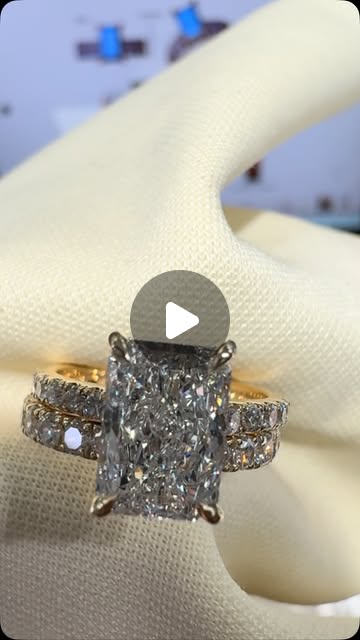
- Size on the finger. Millimetres, not carats. Elongated shapes and a slim band make the same stone look larger.
- Lab-grown or natural. Same beauty, different origin and price. The choice is about meaning and budget, not quality. (See our Lab-Grown Diamonds guide.)
- Colour and clarity. Enough that the diamond is bright and eye-clean. Beyond that you are paying for what only a loupe can see.
- Metal and setting. How it feels, how it wears, and how it will pair with a wedding band for the next few decades.
Cut: why it matters more than anything
Carat tells you how much a diamond weighs. Colour and clarity describe how pure it is. Cut is the only grade that describes how a diamond performs. It governs how light enters the stone, travels through it, and returns to your eye — and that return is the sparkle people notice from across a room.
A well-cut diamond sends light back up through the top. Cut too deep, light leaks out of the bottom and the stone looks dark in the centre. Cut too shallow, light escapes through the sides and the stone looks glassy. Both can carry impressive colour and clarity grades and still look lifeless.

What we check in every stone
- Light return: how bright the diamond is face-up under normal light, not just under jewellery-store spotlights.
- Symmetry: facets that meet where they should, so the pattern is crisp rather than smudged.
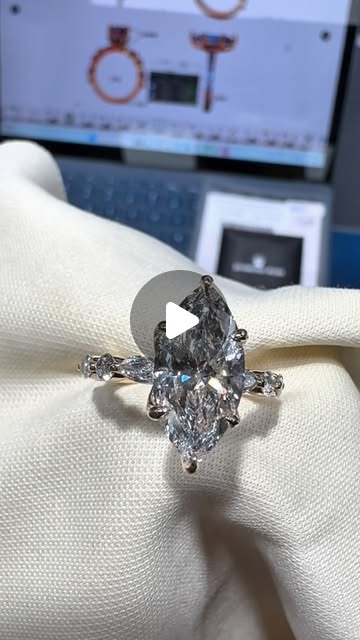
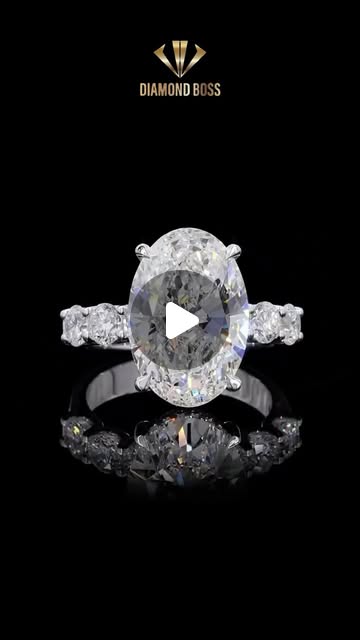
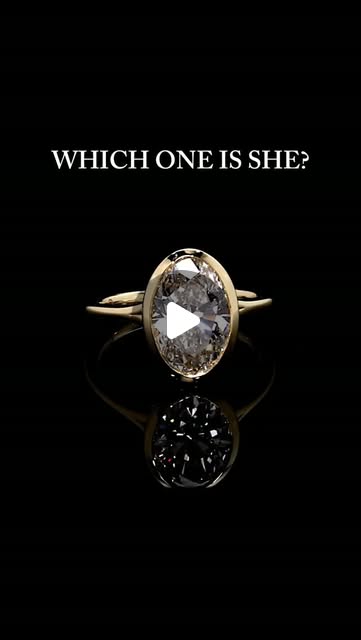
- Proportions: table, depth, and crown angle in the ranges that make light behave. For ovals, marquise, and pears we also check the bow-tie — a dark band across the middle that most elongated stones show to some degree. We select stones where it is faint.
At DiamondBoss, we select every centre diamond for cut performance first and reject stones that grade well on paper but sit dark in the hand. A diamond chosen this way can look larger and brighter than a heavier stone cut to save weight.
Carat and size are not the same thing
A carat is a unit of weight — one fifth of a gram. What you see on the hand is the face-up measurement in millimetres, and two diamonds of the same weight can differ visibly in size depending on shape and how deep they are cut. A well-proportioned stone spreads its weight where you can see it.
Price does not rise evenly with weight. It steps up at the popular marks — 1.00, 1.50, 2.00 carats — so a 1.90ct diamond can cost noticeably less than a 2.00ct stone that looks identical on the finger. With lab-grown diamonds the next size up is often within reach, which is why many of our clients choose a larger stone and put the difference toward the setting or the band.
Typical face-up sizes (well-proportioned stones)
| Carat | Round | Oval | Elongated cushion |
|---|---|---|---|
| 1.00 ct | 6.4–6.5 mm | 7.5 × 5.5 mm | 7.0 × 5.5 mm |
| 1.50 ct | 7.3–7.4 mm | 8.5 × 6.3 mm | 8.0 × 6.0 mm |
| 2.00 ct | 8.0–8.2 mm | 9.5 × 7.0 mm | 9.0 × 6.8 mm |
| 3.00 ct | 9.2–9.4 mm | 11.0 × 8.0 mm | 10.0 × 7.8 mm |
Individual diamonds vary. The best way to choose is to see sizes on your own hand — book a consultation and we will show you.
Colour: enough, and no more
Colour is graded from D (colourless) down the alphabet as faint warmth appears. D, E, and F are colourless; G to J are near-colourless and look white once set. Warmth shows more in large stones, step cuts, and white metal, and less in yellow or rose gold.
- D–F: Colourless. DiamondBoss’s lab-grown standard is F or better.
- G–J: Near-colourless. Fine in warm metals.
- K and below: Visible warmth. We do not go there.
Clarity: enough, and no more
Clarity describes the inclusions and blemishes inside and on the surface of the stone, graded from Flawless through VVS, VS, and SI to Included. The practical threshold is eye-clean: nothing visible without a loupe. Step cuts such as emerald and asscher show marks more readily and deserve a higher grade.
- VVS2 and above: Flawless to the eye. Beautiful, and more than most people need — beyond this you are paying for what only a loupe can see.
- VS2 and above: Eye-clean. Our standard.
- SI1–SI2: Often eye-clean, not always. Not our standard.
- I1 and below: Visible inclusions. Not offered.
Because every DiamondBoss ring is made to order, we are not clearing inventory. Every lab-grown centre diamond we set is F colour or better and VS2 clarity or better, and the grade is printed on the report that comes with the ring.
Grading reports: what comes with your ring
Every DiamondBoss engagement ring includes an independent laboratory report for its centre diamond. The report records shape and measurements, carat weight, colour and clarity grades, cut (or polish and symmetry) grades, fluorescence, and a plotted diagram of any inclusions. For lab-grown stones it also states the growth method.
The report number is laser-inscribed on the girdle — the thin edge of the diamond — invisible without magnification. It ties your specific stone to its report for life. Insurers and appraisers work from it. Keep it with your important papers.
Frequently asked questions
What matters most when choosing a diamond?
Cut. It decides whether the diamond is bright and lively or dull, more than colour or clarity do.
What is eye-clean?
A diamond with nothing visible to the naked eye — inclusions only show under a loupe (10x magnification). That is DiamondBoss’s clarity standard.
Is a 2ct diamond much bigger than a 1.90ct?
On the finger, no — but the price jumps at the 2.00ct mark. A 1.90ct can be the smarter buy.
What does the grading report tell me?
Shape, measurements, carat, colour, clarity, cut grades, fluorescence, and an inclusion plot — plus the growth method for lab-grown stones.